Laser Therapy for Nerve Pain: Does It Help?
Laser therapy may help ease nerve pain in some people. Whether it is right for you depends on the cause of your symptoms. It cannot be counted on to remove pressure from a nerve or reverse nerve damage.
Burning feet. Tingling fingers. Pain shooting down your leg. These symptoms can make driving, working, and sleeping hard. It makes sense to look for relief. But before choosing a treatment, we need to find out why the nerve is hurting.
At Elite Family Chiropractic in Charleston, we start with that question. Laser may be part of your care, but the exam helps us decide what you need.
What does laser therapy do?
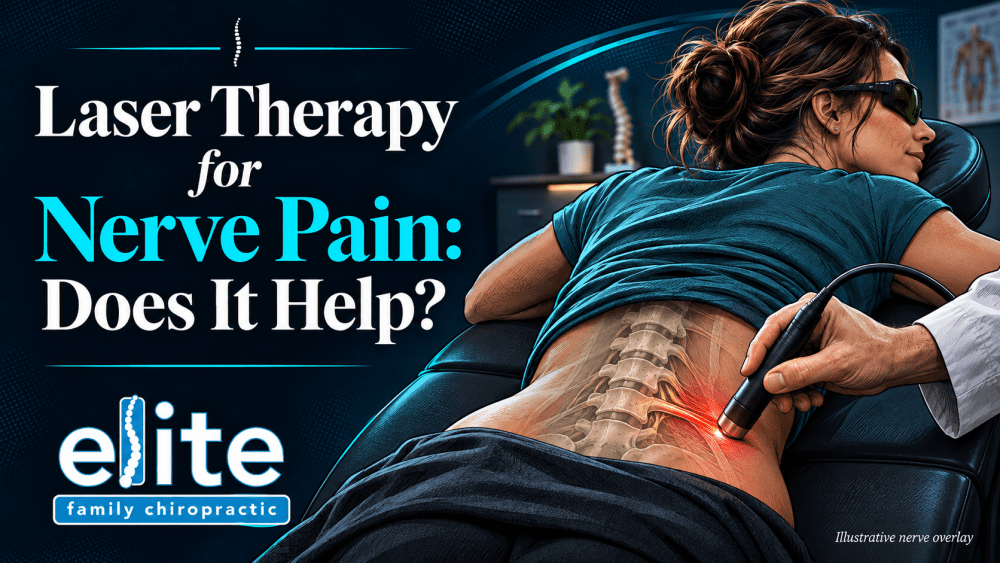
Laser therapy delivers light through the skin. Researchers study how this light affects cell activity, inflammation, and pain signals. This process is called photobiomodulation.
Our office uses a Summus Class IV laser. Class IV lasers have higher output than low-level devices often called “cold lasers.” Treatment can produce warmth. The laser class alone does not tell us how well it will work for a certain problem.
Summus describes its devices as providing heat for temporary relief of certain muscle and joint symptoms and a temporary increase in local blood flow. Research into nerve pain is a separate question. We should not assume that relief of muscle pain means a damaged nerve has healed.
Why the cause of nerve pain matters
Nerves carry signals between your brain, spinal cord, and body. Pressure, injury, or disease can disrupt those signals. The result may be burning, shooting pain, numbness, tingling, or weakness.
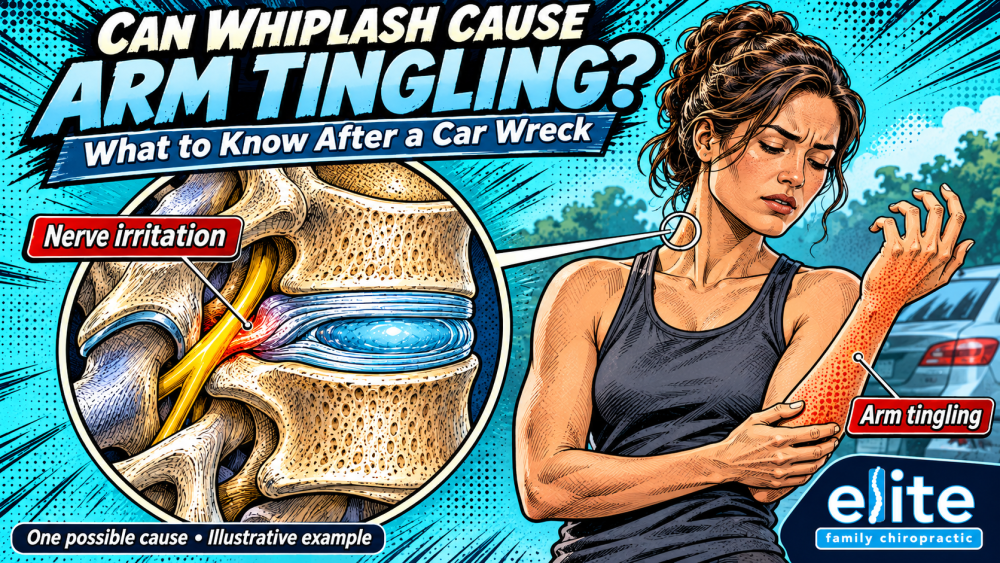
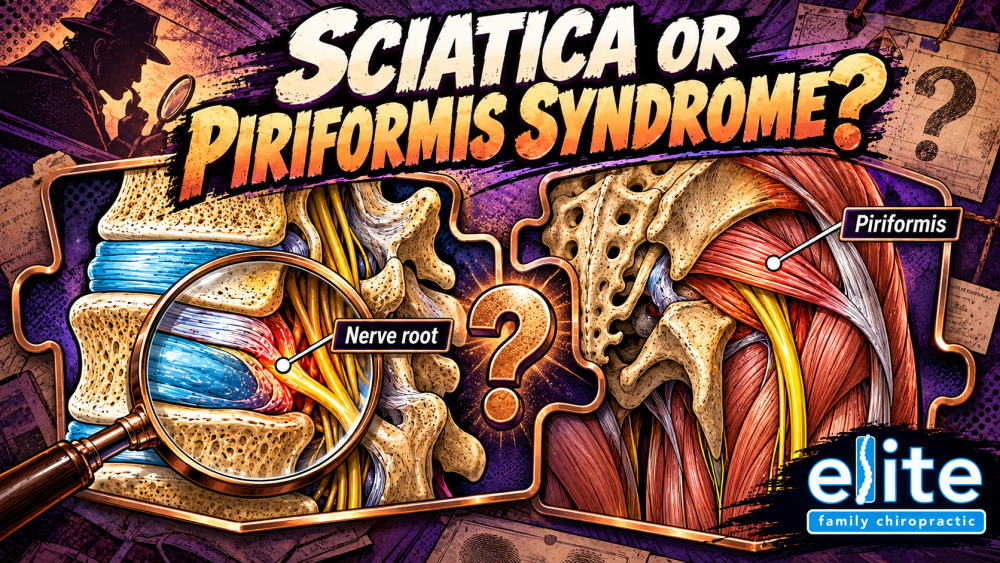
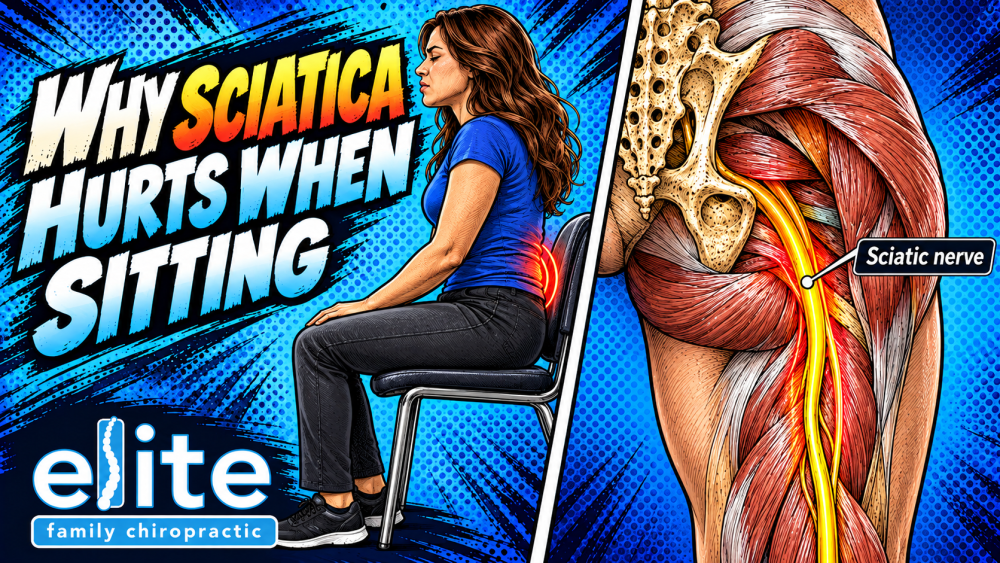
Pain that travels into one leg may be sciatica. A disc problem or narrowing around a spinal nerve can play a role. Arm tingling may come from a pinched nerve in the neck or pressure on a nerve farther down the arm.
Burning or numbness in both feet may have a different cause. Diabetes and other health conditions can damage nerves. These problems need medical evaluation and care for the underlying condition.
After a car wreck, nerve symptoms may occur along with disc or connective tissue injuries. Treating a sore muscle alone may not address the reason your arm or leg keeps tingling.
What does the research say?
Some studies show pain relief, but the findings do not apply to every nerve problem or every laser.
A 2022 trial of 110 people with disc-related low back and leg symptoms found better results when low-level laser was added to physical therapy than with physical therapy alone. That study tested a low-level device, so it does not establish the same results for our Class IV laser.
A small 2019 trial tested Class IV laser in 40 older adults with painful diabetic neuropathy. Those who received active laser along with their usual medical care had greater pain relief than those who received an inactive treatment. The researchers called for larger studies with longer follow-up.
These findings support considering laser for selected patients. They do not prove that laser repairs damaged nerves, cures neuropathy, or provides lasting relief for everyone but clinically it can help manage pain safely.
If you have neuropathy, you may also wonder what it means for your long-term health. Our article, How Long Can You Live with Neuropathy?, explains how the underlying cause and ongoing care shape your outlook.
How we decide whether laser fits your care
We ask where your symptoms travel, when they started, and what makes them better or worse. We also review injuries, health conditions, and treatments you have tried.
Your exam may include checks of strength, feeling, reflexes, balance, and movement. These findings help us decide whether the symptoms appear to come from the spine, another nerve, or a problem that needs medical testing.
An MRI is not needed for every patient. We may recommend imaging or other testing when the findings could change your care. New weakness or trouble walking may require prompt referral.
Dr. Brad Gorski, DC, FSBT, is fellowship trained in spinal biomechanics and trauma. When needed, he coordinates care with physical therapy, primary care, pain management, neurology, or a spine surgeon.
What does a laser session feel like?
A trained provider moves a handheld applicator over the treatment area. You and the provider wear protective eyewear. You may feel gentle warmth. Treatment should not feel painfully hot.
Class IV lasers can injure the eyes or burn skin if used incorrectly. Tell your provider about reduced feeling in the area, since numb skin may make excess heat harder to notice. Your health history and the area being treated help guide safe use.
Sessions are usually brief and do not involve needles or incisions. The treatment area and settings determine the session length.
Where laser fits into a larger treatment plan
If laser reduces pain, it may make movement and daily tasks more comfortable. Your plan still needs to address the cause of your symptoms.
Depending on your exam, care may include chiropractic, exercise, treatment for muscles and connective tissue, and changes to activities that bring on symptoms.
For selected disc-related cases, we may discuss nonsurgical spinal decompression therapy, including its limits and other options. Results vary, and it cannot be promised to repair a disc or prevent surgery.
For diabetes-related nerve pain, medical care, blood sugar management, and foot care remain essential. Laser, if considered, is an added treatment.
How will we know whether it is helping?
There is no single number of visits that fits every nerve problem. Before starting care, we discuss the goals and when to check your progress.
We look for changes that matter in your day. Can you sleep longer? Walk farther? Sit through a meal? We also track strength and feeling when the exam shows nerve involvement.
Less pain is useful, but new weakness or spreading numbness needs another look. If you are not making meaningful progress, we reassess the plan and consider testing, referral, or a different approach.
When nerve symptoms need urgent care
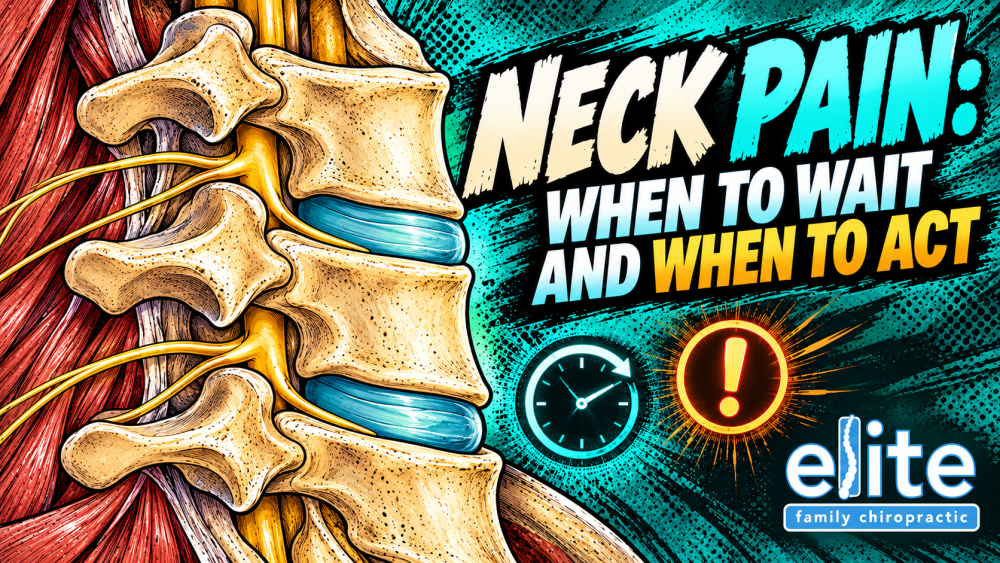
Seek prompt medical assessment for new or worsening weakness, such as trouble lifting the front of your foot or losing strength in your hand.
Go to the emergency department right away if back or leg symptoms occur with new trouble passing urine, loss of bladder or bowel control, numbness around the groin or buttocks, or severe or worsening weakness in both legs. These can be signs of serious nerve pressure. Do not wait for a laser appointment.
Nerve pain evaluation in Charleston
If burning, tingling, or shooting pain keeps interrupting your life, an exam is the next step. At Elite Family Chiropractic in West Ashley, we help patients from Charleston, Johns Island, James Island and nearby communities understand their options.
We are committed to helping you find out what you need. That may include laser, another form of care, or a referral to the right provider.
Call 843-892-5671 or contact our office to schedule an evaluation.
Sources
[1] Summus Medical Laser device indications. Manufacturer information on intended uses.
[2] Effectiveness of Low-Level Laser Therapy in Patients with Discogenic Lumbar Radiculopathy. Randomized trial, 2022.
[3] Effect of deep tissue laser therapy treatment on peripheral neuropathic pain in older adults with type 2 diabetes. Pilot randomized trial, 2019.
[4] OSHA Technical Manual on laser hazards and control measures. Eye and skin hazards and protective measures.
[5] NHS guidance on sciatica. Symptoms, causes, and emergency warning sign
Author
 Brad Gorski DC, FSBT
At Elite Family Chiropractic in Charleston, South Carolina, Dr. Brad Gorski is a top-ranked chiropractor offering effective treatment options for back pain, knee pain, neck and shoulder pain, sciatica, migraines, pinched nerves, herniated discs, and more. Dr. Gorski received his Doctor of Chiropractic degree from Palmer College of Chiropractic in Davenport, Iowa in 2008. He has completed extensive post-graduate training, becoming qualified in Hospital Based Spine Care, MRI Interpretation Review, and Trauma while also completing a Fellowship in Spinal Biomechanics and Trauma. He provides chiropractic care and helps his patients achieve their goal of optimum health and wellness.