How do you evaluate sciatic pain
Dr. Gorski asks where your symptoms travel, when they started, and how they change with sitting, walking, bending, or coughing. We also discuss previous injuries, treatments you have tried, and the activities you want to resume.
Your examination may include spinal and hip movement, walking, strength, sensation, reflexes, and tests that assess nerve irritation. These findings help determine whether chiropractic care is appropriate or further medical evaluation is needed.
If symptoms began after a collision, our approach to chiropractic care after a car accident also considers the injury history and any emergency evaluation you received. Bring previous imaging and treatment records if available.
Will I need an MRI for sciatica
An MRI is not necessary for every new episode. It may be appropriate when symptoms persist despite care, neurological findings are concerning, or the results could change treatment. Urgent symptoms can require earlier testing.
MRI can show discs and nerve roots in detail. Dr. Gorski considers any imaging findings alongside your symptoms and examination, because a disc change on a scan does not always explain the pain.
What treatment options are available
Many people with sciatica can begin with nonsurgical care. Your plan depends on the likely cause, the condition of the affected nerve, your health history, and your goals. Options may include:
- Chiropractic techniques, joint mobilization, or instrument-assisted adjustments when appropriate, combined with exercise and activity guidance.
- Soft-tissue treatment for associated muscle tension and connective tissue discomfort.
- Exercises tailored to your symptoms, with gradual progression in movement, strength, and walking tolerance.
- Practical guidance on work positions, lifting, and staying active within your tolerance.
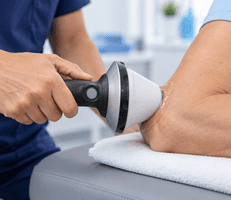
Our office also offers Class 4 laser therapy, shockwave therapy, heat, and interferential current therapy. Laser and shockwave may be discussed for selected accompanying soft-tissue complaints. Heat may provide temporary comfort, while interferential current uses electrical stimulation for symptom management.
Laser therapy may help reduce pain and support healing in certain muscle and connective tissue conditions, making it a useful addition to an individualized care plan. Treatment is noninvasive, with settings selected for your condition and protective measures used for safety. Dr. Gorski evaluates whether laser fits your needs and monitors your response, with the goal of helping you move more comfortably and return to daily activities.
Can spinal decompression help sciatica
Spinal decompression therapy uses a motorized table to apply controlled traction to the spine. Research has not established consistent benefit for sciatica, and it cannot be promised to repair a disc or prevent surgery.
If decompression is considered, Dr. Gorski discusses its limitations and alternatives and monitors your response. Worsening nerve symptoms call for reassessment rather than continuing the same treatment.