Herniated Disc
-

- Tweet
- Share


Brad Gorski, D.C.
Chiropractor located in Charleston, SC. Including the communities of West Ashley, Johns Island and James Island.
A herniated disc can make work, sleep, and everyday movement difficult. At Elite Family Chiropractic in West Ashley, Charleston, Dr. Brad Gorski, DC, FSBT, evaluates your symptoms, examines how your spine and nerves are functioning, and reviews imaging when appropriate.
Fellowship-trained in Spinal Biomechanics and Trauma, he builds an individualized care plan and coordinates with other providers when needed.
Herniated Disc Treatment in Charleston, SC
If you have been told you have a herniated disc, the next step is understanding whether it explains your symptoms and what treatment is appropriate. At Elite Family Chiropractic, we help you make sense of the findings and build a plan around what you need to get back to doing.
What is a herniated disc?
Spinal discs are cushions between the bones of your spine. Each has a tough outer layer and a softer center. A herniation occurs when some of the inner disc material extends beyond its normal boundary. It may irritate or press on a nearby nerve.
Disc problems can develop over time or follow an injury. They can occur in the lower back or neck, and some herniations cause no symptoms.
What symptoms can a herniated disc cause?
-
In the lower back: Back pain, pain traveling into the buttock or leg, or numbness, tingling, or weakness in the leg or foot. Radiating leg pain may be described as sciatica.
-
In the neck: Neck pain, pain extending into the shoulder or arm, or numbness, tingling, or weakness in the hand.
These symptoms can have other causes. Finding a herniation on a scan does not automatically explain every symptom. The location of the finding needs to make sense alongside your history and examination.
How do you evaluate a possible disc injury?
We begin with when your symptoms started, where they travel, and what makes them better or worse. Tell us about previous injuries, treatment you have tried, and activities you are struggling to do.
The examination may include spinal movement, strength, sensation, reflexes, walking, and tests that help assess nerve involvement. Bring any previous MRI images, reports, and treatment records.
If symptoms began after a collision, our approach to chiropractic care after a car accident also considers the crash history and any emergency evaluation you received.
Will I need an MRI?
Not everyone needs an MRI at the first visit. Imaging is considered when it could change the diagnosis or treatment plan, such as when symptoms persist despite care or there are concerning neurological findings.
MRI shows discs, nerve roots, and the spinal cord in greater detail. An X-ray can help assess bones and alignment, but it does not directly show a disc herniation.
If you already have an MRI, Dr. Gorski reviews the findings alongside your examination. The report is one part of deciding what care you need.
How are herniated disc symptoms treated?
Many people can begin with nonsurgical care. The plan depends on your symptoms, examination findings, health history, and goals. Options may include:
-
Chiropractic care: Appropriate hands-on techniques or instrument-assisted adjustments to help manage pain and movement limitations.
-
Soft-tissue and trigger point therapy: Treatment directed at associated muscle tension, tenderness, and discomfort.
-
Class IV laser therapy: Light-based therapy that may be discussed as an additional option for associated musculoskeletal pain.
-
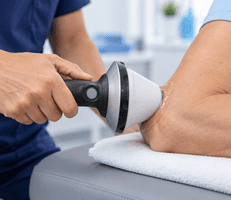
Shockwave therapy (Piezowave): Acoustic-wave treatment that may be considered for selected painful muscles and soft tissues surrounding the affected area.
-
Heat therapy: Used when appropriate for temporary comfort and muscle relaxation.
-
Interferential current therapy: A form of electrical stimulation sometimes used for symptom management.
-
Rehabilitation exercises: A gradual program to rebuild strength, improve movement, and increase tolerance for daily activities.
-
Activity guidance: Recommendations for lifting, work positions, and modifying activities while you recover.
These options are selected individually, and the evidence and expected benefits vary by treatment and condition. Supporting therapies are considered alongside active rehabilitation; they are not proven ways to repair a herniated disc. Dr. Gorski explains the purpose of each recommendation and reassesses whether it is helping you move and function more comfortably.
Where does spinal decompression fit?
Spinal decompression therapy uses a table to apply controlled traction, or pulling forces, to the spine. Evidence for lumbar traction is limited, and it is not a guaranteed way to repair a disc or avoid surgery.
If this option is discussed, Dr. Gorski reviews whether it fits your condition, explains alternatives, and reassesses your response. It does not replace exercise, ongoing evaluation, or specialist care when needed.
When might I need another specialist or surgery?
Many people with a herniated disc improve without surgery. Persistent disabling arm or leg pain, worsening weakness, or concern about spinal cord or nerve compression may require specialist evaluation.
Depending on your needs, Dr. Gorski coordinates with physical therapy, pain management, primary care, orthopedic spine specialists, or neurosurgery. Medication or injections may be discussed with the appropriate medical provider. When surgical evaluation is needed, we help you take that next step.
How do you measure progress and decide on visits?
We follow pain levels, nerve-related findings, and practical changes such as sitting longer, walking more comfortably, sleeping better, or returning to work and exercise.
Visit frequency depends on your condition and response. If progress stalls or symptoms change, we reassess the diagnosis and plan. That may mean changing treatment, obtaining additional testing, or coordinating another opinion.
How does fellowship training guide my care?
Dr. Gorski’s postgraduate education includes spinal biomechanics and trauma, MRI interpretation, and hospital-based spine care. That training informs how he brings your injury history, examination, and imaging together.
For you, that means clear explanations, treatment selected for your situation, and help coordinating care when another provider can contribute.
When should I seek urgent medical care?
Seek emergency care for new difficulty urinating, loss of bladder or bowel control, numbness around the groin or saddle area, or rapidly worsening arm or leg weakness. Severe spine pain after a major injury also needs urgent assessment.
New hand clumsiness, difficulty walking, or loss of balance with neck symptoms needs prompt medical evaluation. If these changes are sudden or rapidly worsening, seek emergency care. Do not wait for a routine chiropractic appointment.
Schedule a herniated disc evaluation in Charleston
Elite Family Chiropractic is located at 1662 Savannah Highway, Suite 115, in West Ashley. We welcome patients from Charleston, Johns Island, James Island, and surrounding communities.
Call 843-892-5671 or use Book Online to schedule an evaluation. Bring any available imaging and records so we can discuss your findings and the next step in your care.
Services
-
 Neck Painmore info
-
Foot Painmore info
-
Knee Painmore info
-
Back Painmore info
-
Pinched Nervemore info
-
Car Accidentmore info
-
Class 4 Laser Therapymore info
-
Sports Injuriesmore info
-
Migrainesmore info
-
Pediatric Chiropractormore info
-
Prenatal Chiropractormore info
-
Chiropractic Caremore info
-
Sciaticamore info
-
Herniated Discmore info
-
Neuropathy Treatmentmore info
-
Shoulder Painmore info
-
Spinal Decompression Therapymore info
-
Shockwave Therapymore info
-
Whiplashmore info
-
Concussionmore info